

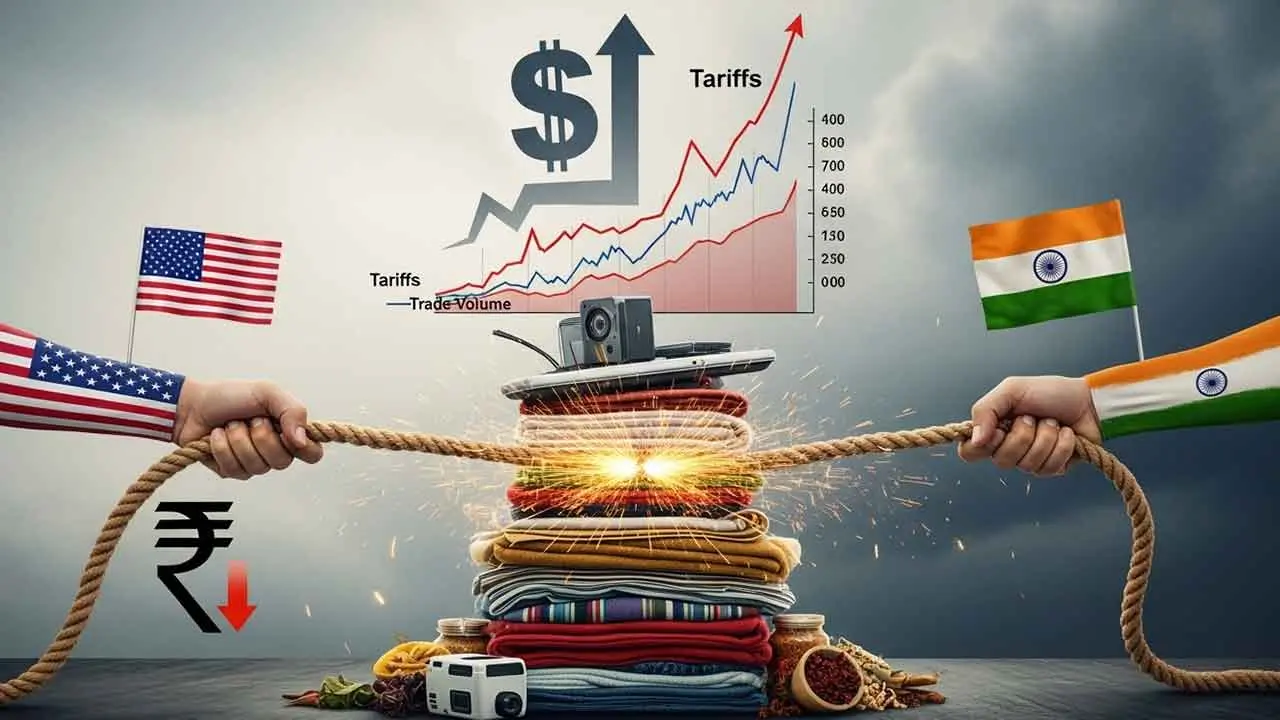
Inbizzy, NEW DELHI, — The United States has officially implemented tariffs of up to 50% on Indian imports starting Wednesday (Aug 27), escalating trade tensions between the world’s two largest democracies despite their growing strategic cooperation.
The tariff hike includes an additional 25% penalty for India’s purchase of Russian oil on top of the existing 25% tariffs imposed earlier on a broad range of Indian goods. This raises the total duty to 50% on products such as garments, jewelry, footwear, sports equipment, furniture, and chemicals—matching some of the highest tariff levels imposed by the US on countries like Brazil and China.
India’s Commerce Ministry warned that the new tariffs could impact thousands of small exporters and jobs, including in Prime Minister Narendra Modi’s home state of Gujarat.
An Indian commerce official, speaking on condition of anonymity, said the government will provide financial assistance to affected exporters and encourage them to diversify into markets such as China, Latin America, and the Middle East.
US Customs and Border Protection granted a three-week grace period for Indian shipments already en route before the deadline. These shipments can still enter the US at the previous tariff rates if they arrive before midnight on September 17. Products like steel, aluminum, passenger vehicles, and copper covered under Section 232 of the National Security Trade Act remain exempt from the new duties.
Failed Trade Negotiations
The tariff escalation follows five rounds of unsuccessful negotiations between the two countries. Indian officials had expressed hopes that tariffs could be capped at 15%, similar to rates imposed on major US trading partners like Japan, South Korea, and the European Union.
However, White House trade adviser Peter Navarro confirmed the new tariffs would proceed as announced. “Yes,” Navarro said when asked about the implementation, offering no further details.
Bilateral goods trade between the US and India reached US$129 billion in 2024, with the US trade deficit standing at US$45.8 billion. Export groups estimate the tariff increase could affect nearly 55% of India’s total merchandise exports to the US, worth US$87 billion, potentially benefiting competing nations such as Vietnam, Bangladesh, and China.
Analysts warn that prolonged tariffs at these levels could reduce India’s attractiveness as an alternative manufacturing hub for products like smartphones and electronics amid global efforts to diversify supply chains away from China.
Strategic Ties Remain a Priority
Despite rising trade frictions, both nations underscored the importance of their strategic ties. On Tuesday (Aug 26), the US State Department and India’s Ministry of External Affairs issued a joint statement affirming their commitment to deepen bilateral relations within the Quad framework, which also includes Australia and Japan.
The statement highlighted “the desire to further enhance the breadth and depth of the bilateral partnership,” even as trade disputes continue to loom large.


